
Reviewed · COOKING CLASSES
Slovenia: Belokranjska Pogača Cooking Class
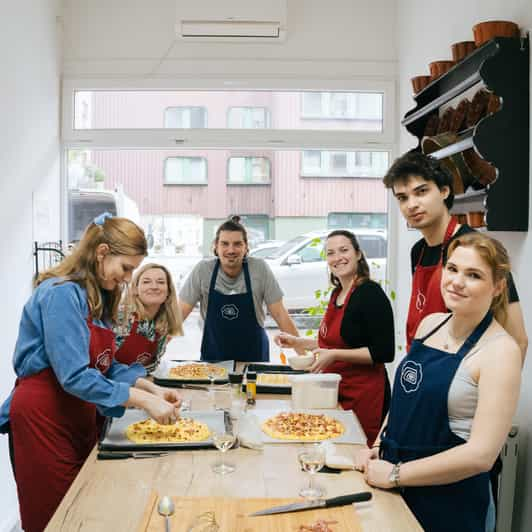
Belokranjska Pogača is more than a round loaf. It is a Slovenian specialty from Bela Krajina, and this two-hour class lets you learn its story while making the bread yourself. Luka guides you through kneading, rolling, shaping, and baking, then sits down with you to enjoy the warm result.
I like the small-group format, limited to 10 people, and the way the class mixes food with Slovenian culture. I also like that the $53 price includes the ingredients, equipment, instruction, and your own freshly baked bread. The main consideration is the meeting point, which can be tricky to spot because it is reached through a passageway or beside an old church and a Chinese restaurant.
Key points
- You make the bread yourself: Knead, roll, shape, bake, and taste your own Belokranjska Pogača.
- Luka adds local context: Expect conversation about Slovenian people, places, history, and traditions while the dough rests.
- Small groups keep it personal: The class accepts no more than 10 participants, and solo bookings may become private sessions.
- A good Ljubljana side activity: The location is reachable from the city centre by bus, according to the practical information provided by a past participant.
- Wine and drinks may be offered: The class can include Slovenian wine while you wait for the dough to rise and bake.
- Plan a few extra minutes for arrival: Look for the small square, broken concrete fountain, and large clear shop window.
Why Belokranjska Pogača makes a good Slovenian food class
Many cooking classes teach a dish. This one gives you a food with a clear place in Slovenian culture.
Belokranjska Pogača comes from Bela Krajina, a region in southeastern Slovenia. It is a savory bread with a soft interior and a baked crust. The class presents it as a food tied to family life, celebration, shared meals, and Slovenian craftsmanship.
That local connection matters. You are not simply making generic bread in a foreign kitchen. You are learning why this particular bread matters and how a simple recipe can carry a sense of place. The dish is modest, practical, and built for sharing, which makes it a good match for a short cultural activity.
I also like the pace. Two hours is long enough to work with the dough and hear the background, but short enough to fit around sightseeing in central Slovenia. You will not spend half a day waiting for one recipe to finish.
More cooking classes in Ljubljana:
- Ljubljana: Traditional Slovenian štrukelj Cooking Class
★ 4.9 · 58 reviews - sLOVEnian Strukelj Traditional Cooking Class
★ 4.0 · 10 reviews - Private Mediterranean Fish Cooking Workshop with Irena
★ 5.0 · 118 reviews
Finding the small square and clear-window shop
The meeting point requires a little attention. You are looking for a small square surrounded by buildings, with a broken concrete fountain in the middle. The shop has a large clear window, which is the most useful visual clue once you are close.
You can reach the spot by passing a Chinese restaurant near the old church. Another route takes you through a small passageway in a building near the bus stop. This is not the kind of meeting point where you should simply arrive at a broad, obvious landmark and expect the host to find you.
Give yourself extra time, especially if you are carrying bags or arriving by bus. If you plan to park in the afternoon, call Luka in advance. He uses WhatsApp and can help with parking. In the morning, free parking spaces may be available on the platform behind the building.
The location is described as accessible from the city centre by bus, which makes the class useful if you are staying in Ljubljana or nearby. Still, check your route before leaving. The final approach sounds more like a local backstreet search than a standard tourist meeting point.
What happens when the class begins
The session starts with an introduction to Belokranjska Pogača and its place in Slovenian food culture. Luka explains the dish before you begin, giving the activity a social and cultural frame rather than sending you straight to a work surface.
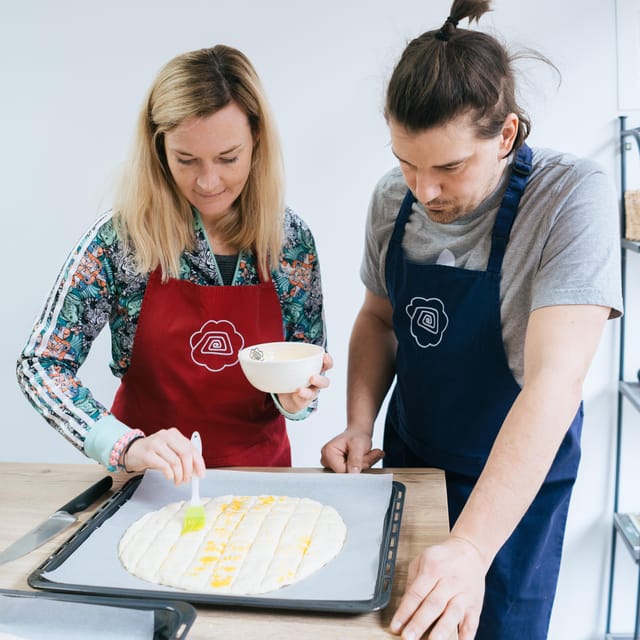
You then receive the ingredients and use the provided equipment. The class is practical from the start: you handle the dough, follow the instructions, and learn how the texture changes as you work it.
The key stages are simple but worth paying attention to:
- Knead the dough until it reaches the right feel.
- Roll it out with care.
- Shape it into the traditional form.
- Prepare it for baking.
- Watch the bread turn golden in the oven.
- Break into it while it is still warm.
The benefit of working with an instructor is that you can ask about each stage as you go. Bread dough can be forgiving, but it also responds to touch and timing. Clear guidance helps you avoid treating the process like a quick mix-and-bake recipe.
Past participants have found Luka’s instructions easy to follow, including a parent who expected a pleasant birthday activity but found the process more interesting than anticipated. That detail is useful if you are booking this for a family member or as a surprise. The class is not designed only for serious cooks.
Waiting for the dough, with Slovenian conversation
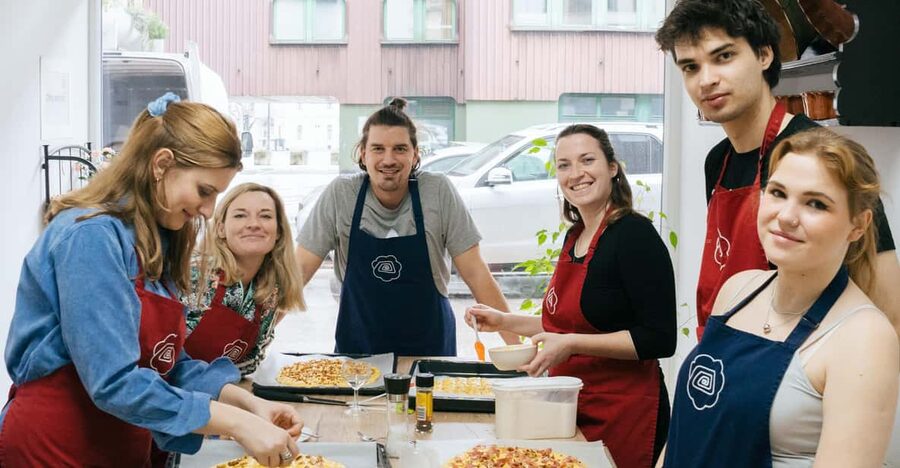
The class includes pauses while the yeast proves, the dough rises, and the bread bakes. Those gaps are not wasted time. Luka uses them to talk about Slovenia, its people, its past, and its scenery.
One participant specifically appreciated the chance to talk with Luka about a wide range of subjects while waiting. His English is described as excellent, and the class is offered in English and Slovenian. That makes a difference if you want more than a recipe demonstration.
Depending on the session, drinks may be offered, including Slovenian wine. This is a pleasant addition, but I would treat it as part of the host’s welcome rather than the main reason to book. The real value is the conversation and the chance to understand the bread in context.
The waiting period also gives the class a relaxed rhythm. You work with your hands, then pause to talk. You are not being rushed through a tightly packed schedule of unrelated dishes. For people who enjoy food as a way to meet a place, this balance is one of the strongest parts of the activity.
A few more Ljubljana days worth weighing up
- Ljubljana Stand-Up Paddle Boarding Lesson and Tour
★ 5.0 · 281 reviews - Ljubljana: Interactive Workshop with Experienced Weaver
★ 5.0 · 3 reviews - Lake Bled Stand-Up Paddle Boarding Lesson and Tour
★ 5.0 · 155 reviews - Everyday Yoga Class, Soča (Bovec)
★ 5.0 · 9 reviews
The bread-making work: kneading, rolling, and shaping
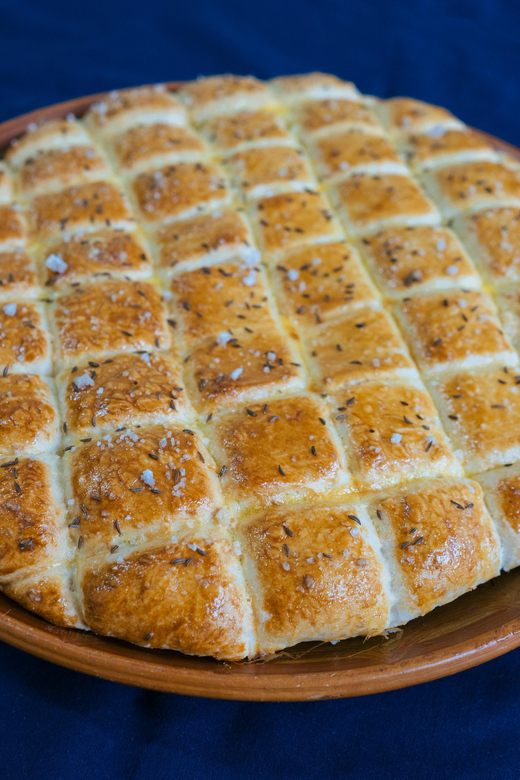
The hands-on element is central. You do not merely watch Luka prepare the bread while an assistant hands you a sample. You take part in the main steps and produce a loaf that you can bake and eat.
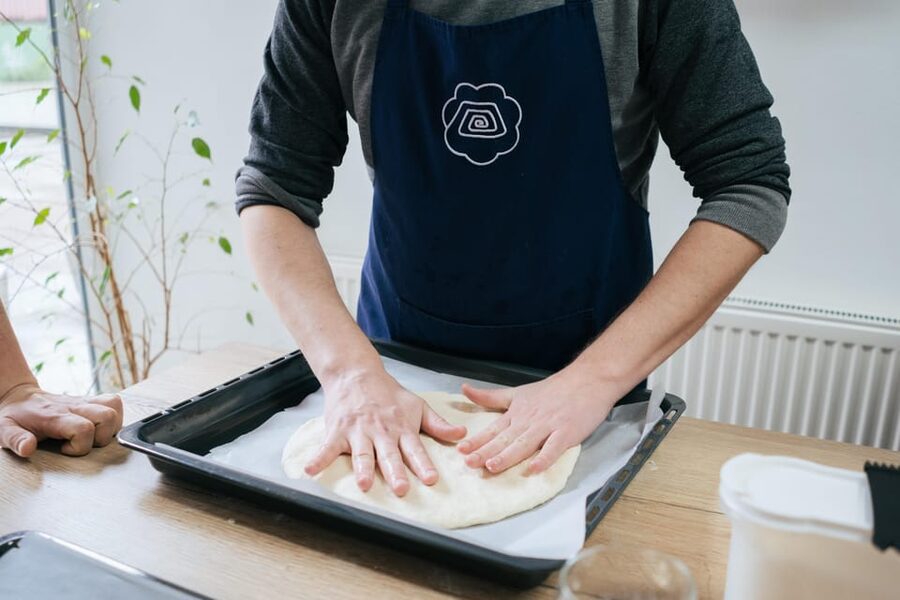
Kneading is where you begin to understand the dough. You work it with your hands and follow Luka’s corrections. Rolling brings another small challenge: the dough needs to be shaped with enough care to bake evenly. The class gives you room to make the process your own while still providing a clear method.
The description emphasizes precision, but you should not read that as a formal baking exam. The point is to learn by doing. You may not leave as a professional baker, but you will have a better sense of how dough behaves and how much difference careful shaping can make.
This is especially useful for families. A Spanish participant described Luka as good at working with children and teenagers, and that is an important practical point. Younger cooks can take part in the physical work instead of sitting through a long talk. The recipe has enough stages to keep hands busy without requiring advanced cooking skills.
The final tasting and what you take home
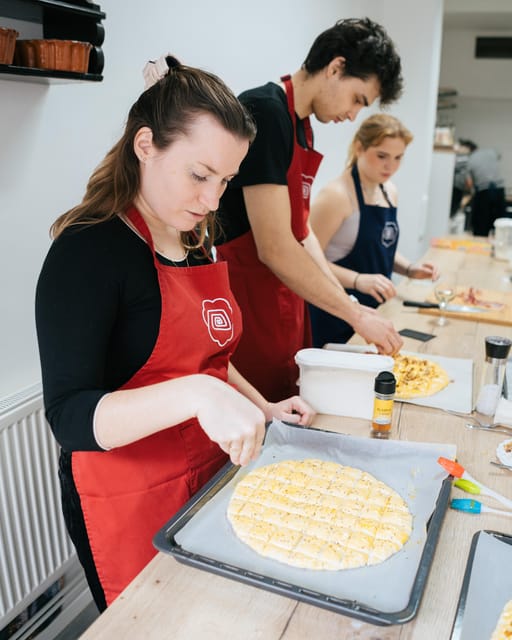
When the bread comes out, the class reaches its most satisfying moment. You get to see the result of your own work, then tear into the warm crust and taste the soft bread inside.
Belokranjska Pogača is described as savory, with herbs adding earthy flavor. Its appeal is not based on elaborate presentation. It is warm, fragrant, and made for sharing. The reward comes from the contrast between the crisp outer surface and tender interior.
You also leave with more than food. The included experience gives you practical bread-making skills, a better understanding of a Slovenian specialty, and a memory connected to a real activity rather than a purchased souvenir.
That said, the bread will not be packed as a durable gift for the rest of your trip. You are making it to enjoy during the class. If you are moving between cities with no kitchen or dining space, the value is mainly the experience and the skill, not carrying a loaf across Slovenia.
The host and the feel of a small group
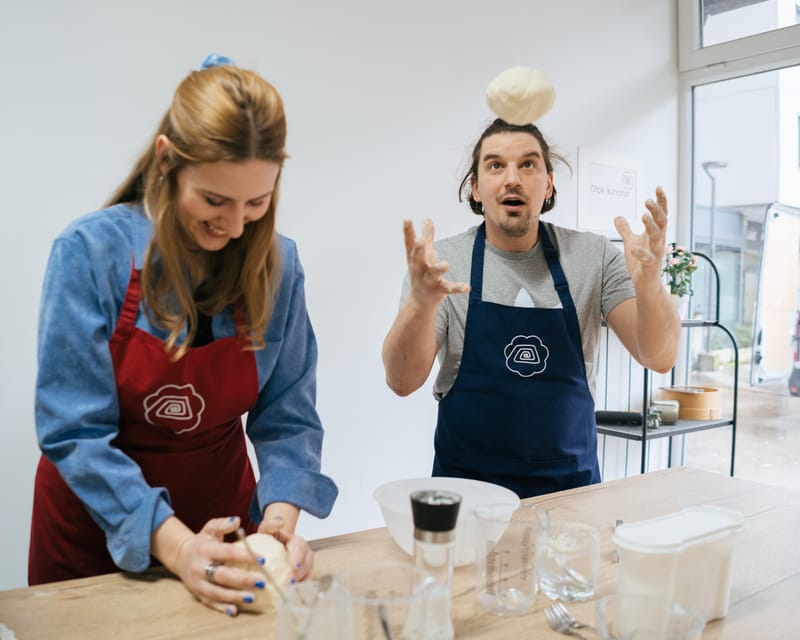
The class is associated with Polak Tomaž, while the host named in the personal accounts is Luka. You can expect Luka to lead the session, explain the method, answer questions, and guide the conversation around the baking.
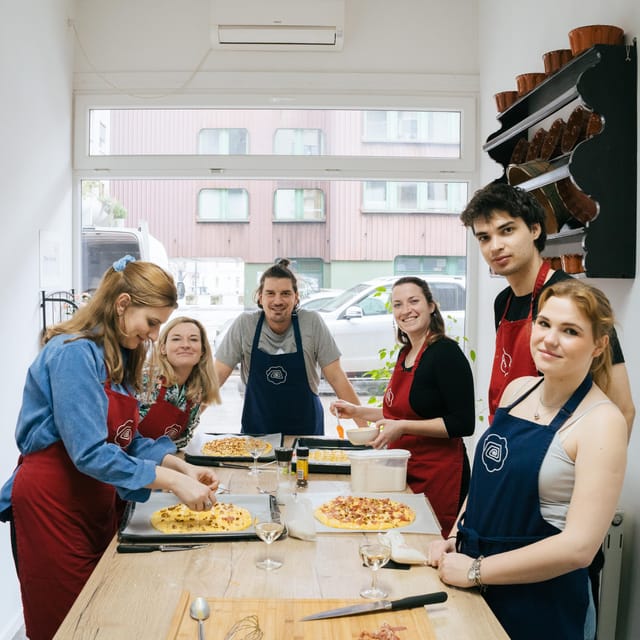
The maximum group size is 10. That is small enough for hands-on instruction, though the feel will depend on how many people book your time slot. A full group could be more social, while a smaller class should give you more room to ask questions.
One solo participant ended up with a private class. That is not a guarantee, but it shows how the booking pattern can affect the experience. If you are alone, you might receive a more direct session with Luka. If you are traveling with family or friends, the class gives everyone a shared task and a clear reason to work together.
The activity is also wheelchair accessible, which is useful information when comparing cooking classes. The available details do not describe every feature of the route or kitchen, so you should still raise any specific access needs when booking.
Is $53 a fair price?
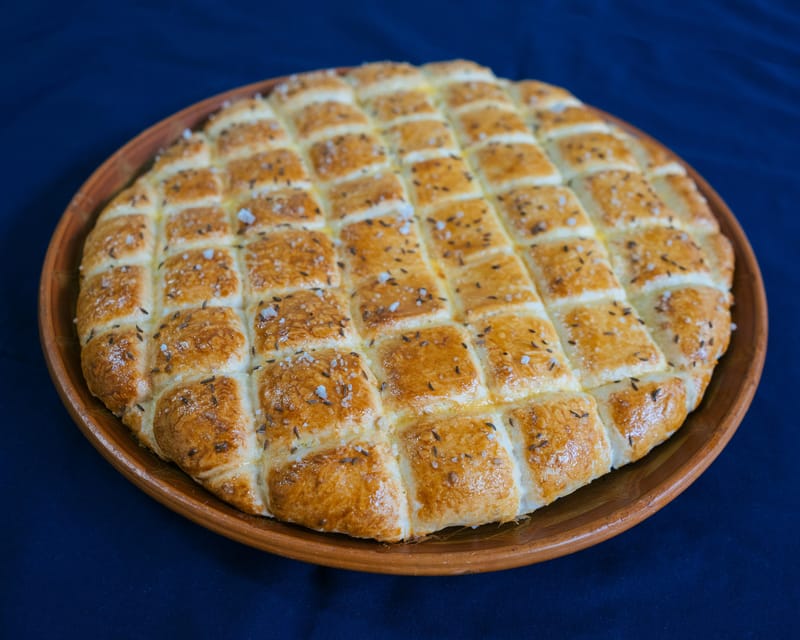
At $53 per person, this is not the cheapest way to eat bread in Slovenia. It is a fair price if you value instruction, local context, and participation.
The fee covers the hands-on class, all ingredients, cooking equipment, your baked Belokranjska Pogača, and the cultural introduction. You are paying for two hours with a local host, not just for a portion of food. The English instruction and small group also add practical value for international visitors.
I would compare it with other short food activities by asking what you actually want. If you only want to taste Slovenian bread, a bakery will cost less and take less time. If you want to understand how it is made, practice the method, and have a conversation about Slovenia while you wait, this class offers more.
The price is also easier to justify for a family or birthday surprise. The activity creates something everyone can talk about and eat together. It is a more personal choice than another sightseeing stop, especially if your itinerary already includes plenty of churches, castles, and museums.
Who will enjoy this class most
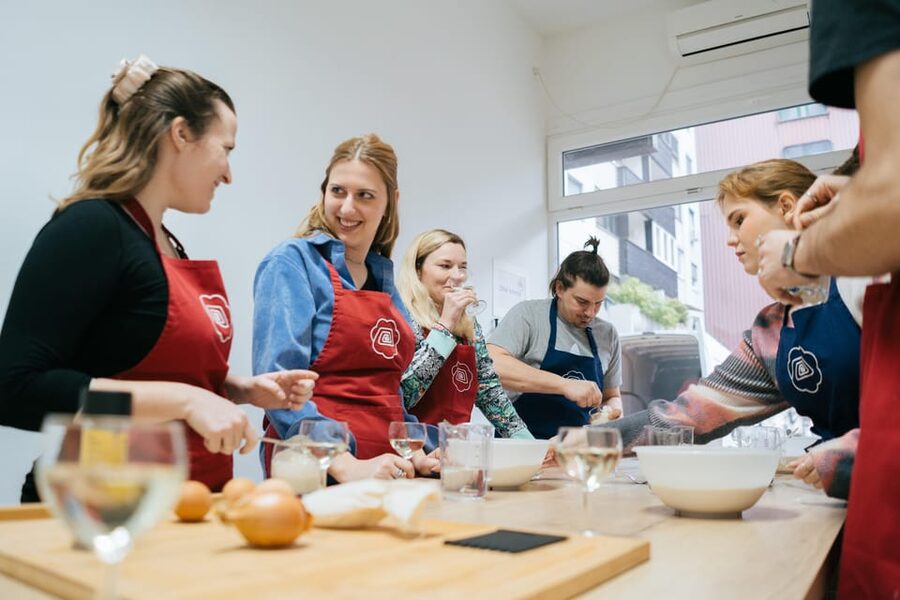
I would recommend the class to several kinds of visitors:
- Food-focused visitors who want a Slovenian specialty rather than a general cooking demonstration.
- Families with children or teenagers who need a hands-on activity with clear steps.
- Couples and friends looking for a relaxed shared experience.
- Solo visitors who enjoy conversation and may benefit from a very small or private session.
- Visitors based in Ljubljana who want a short activity that can fit around city sightseeing.
- People curious about local culture who prefer meeting a host over simply reading about national dishes.
It is less suitable if you want a full meal, a long multi-course workshop, or a class built around several recipes. The focus is one bread and the story around it. That narrow focus is a strength if you want to learn one thing properly, but a limitation if you expect a broad cooking course.
The class may also be less appealing if your schedule is so tight that a two-hour appointment plus travel feels difficult. The meeting point takes a bit of searching, so do not book it with only a few minutes between activities.
Booking details worth knowing
The class lasts two hours, with starting times available according to the chosen date. Instruction is available in English and Slovenian. Group size is capped at 10, and wheelchair access is provided.
You can reserve now and pay later, which helps if your Slovenia plans are still changing. Cancellation is free up to 24 hours before the activity for a full refund. Those terms are useful for a trip with uncertain weather or changing transport plans, but you should still allow enough time to find the meeting point.
The activity provider is listed as Polak Tomaž. For afternoon parking help, contact Luka through WhatsApp. Morning visitors may find free parking on the platform behind the building.
Should you book the Belokranjska Pogača class?
I would book it if you want a friendly, useful cultural activity with a real local food at its centre. The strongest reasons are Luka’s clear instruction, the chance to talk about Slovenia while the dough rests, and the fact that you make and taste the bread yourself.
The class is particularly good for families, solo visitors, and anyone who prefers a small-group activity to a standard sightseeing tour. At $53, it offers solid value when you count the ingredients, equipment, teaching, tasting, and local conversation.
Skip it if you are only looking for a quick snack or a large cooking workshop with several dishes. Also allow extra time for the slightly obscure meeting point. For most food-curious visitors, though, this is a pleasant way to spend two hours and leave with a new Slovenian recipe in your hands.
FAQ
How long does the Belokranjska Pogača cooking class last?
The class lasts two hours.
How much does the experience cost?
The listed price is $53 per person.
What language is the class taught in?
The instructor can teach in English and Slovenian.
How large is the group?
The activity is limited to 10 participants.
Is the cooking class wheelchair accessible?
Yes, the activity is described as wheelchair accessible.
What is included in the price?
The price includes the hands-on class, ingredients, cooking equipment, an introduction to the bread’s cultural background, and the chance to bake and taste your own Belokranjska Pogača.
How do I find the meeting point?
Look for a small square with a broken concrete fountain in the middle and a shop with a large clear window. You can approach near the old church and Chinese restaurant or through a passageway near the bus stop. For afternoon parking, contact Luka on WhatsApp. In the morning, free parking may be available on the platform behind the building.
Just added around Ljubljana
- Zagreb: Postojna Cave, Predjama Castle & Ljubljana in a Day★ 3.4 · 11 reviews
- Woop! Fun park with 21 attractions★ 4.6 · 3 reviews
- Woop! Glow golf: Ljubljana Btc City★ 4.8 · 14 reviews
- Gokart experience at Woop! karting – the fastest attraction★ 4.0 · 5 reviews
- Trieste: Ljubljana Capital of Slovenia Tour★ 4.5 · 12 reviews
- Lake Bled & Ljubljana Tour from Piran★ 5.0 · 4 reviews
- Private Zagreb Tour from Ljubljana★ 4.5 · 3 reviews
- Wine Tours in Slovenia★ 5.0 · 39 reviews
Cooking Classes, compared.
Private Mediterranean Fish Cooking Workshop with Irena
Read our review →
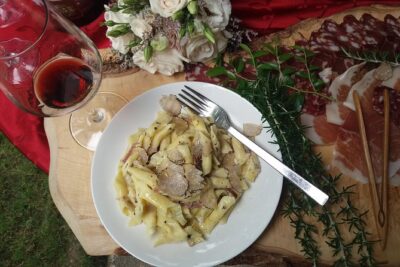
Istria – Truffles: Hunting & Cooking & Tasting, Slovenia
Read our review →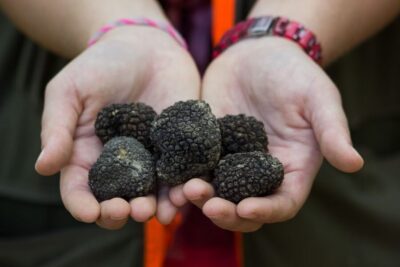
Gažon – Istria: Truffles Hunting & Cooking & Tasting
Read our review →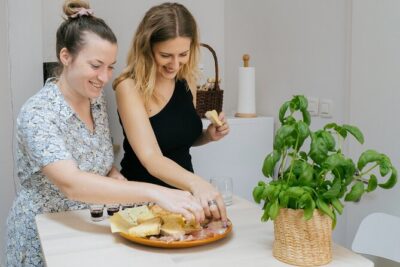
Browse the lists this tour appears in