
Reviewed · COOKING CLASSES
Gažon – Istria: Truffles Hunting & Cooking & Tasting
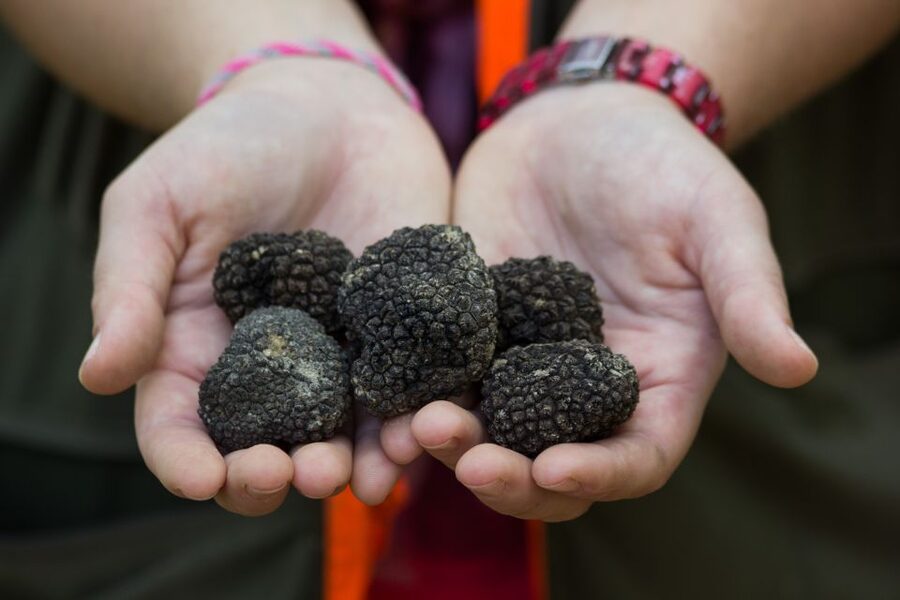
The best part of this Gažon experience is that truffles are not treated as a luxury item locked behind a restaurant menu. You follow a professional hunter and dog into the Istrian countryside, learn how the search works, then cook and eat the result. I like the hands-on truffle hunt and the generous tasting that includes spreads, cheese, salami, wine, and a seasonal drink. The main drawback is that the activity runs in all weather, and the hunt depends on nature, so the exact result can change.
I also like the small size, capped at eight people, and the way the visit connects food with local life. Guide Jerneja adds context about Gažon, Istria, and the history of truffle hunting, while the cooking session keeps the experience relaxed rather than formal. You should know that the meeting point is a village bus stop, not your hotel, and the roughly one-kilometer walk makes this unsuitable for wheelchair users or people with mobility limits.
Key points at a glance
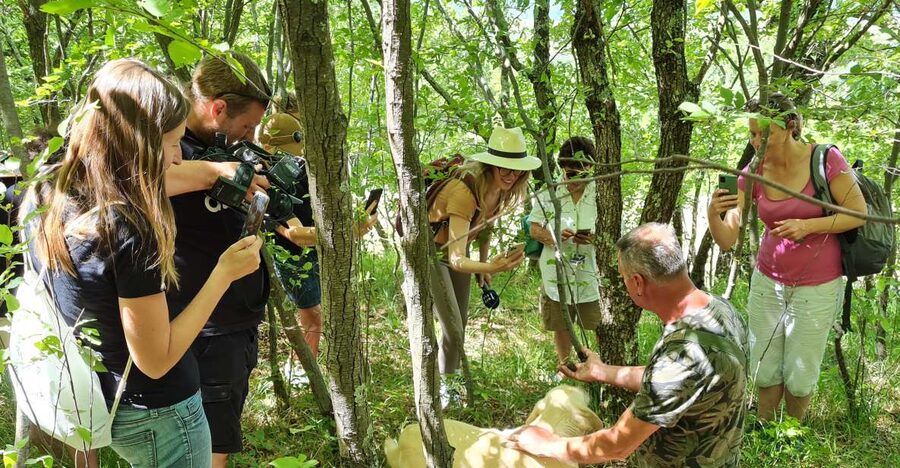
- A real truffle hunt with a working dog: Learn why dogs are used, how they are trained, and how the search works.
- Fresh truffle fuži from your own cooking session: Prepare a classic Istrian pasta dish and eat it afterward.
- A full local tasting: Expect white and black truffle spreads, truffle cheese, truffle salami, Malvasia wine, and a seasonal drink.
- A small group of no more than eight: The format gives you room to ask questions and follow the demonstration closely.
- A village-to-homestead setting: Meet in Gažon, walk to the activity stops, and finish under the pergola of an Istrian home.
- Best for food-focused visitors: The experience suits anyone who wants local context, not just a quick sample of truffle flavor.
Why Gažon is a good setting for truffle hunting
Gažon gives this experience a useful sense of place. The village is in Istria, within easy reach of Koper, Izola, Piran, Portorož, and Ankaran, but the activity does not feel like a city food tour. You begin at the local bus station, meet the host, and set off on foot.
The first walk takes about 10 minutes. That is not a demanding trek, but you should wear proper shoes and clothing suited to the day. The entire walking portion is about one kilometer, spread across the activity rather than covered in one long push.
The point of starting in the village is practical as well as atmospheric. You see where the experience begins, then move toward a more private Istrian homestead for the food portion. If you drive, parking is available near the meeting point. If that lot is full, the host will direct you to another place. You can also come by bus from Koper, though you will need to check the current timetable before setting out.
More Food and Drink Tours in Koper
- An Unforgettable Day With Fish, Wine and Olive Oil Tasting
★ 5.0 · 108 reviews - Istria – Truffles: Hunting & Cooking & Tasting, Slovenia
★ 5.0 · 45 reviews - Wine Tasting with Cold Cuts
★ 5.0 · 13 reviews
Following the hunter and dog into the search
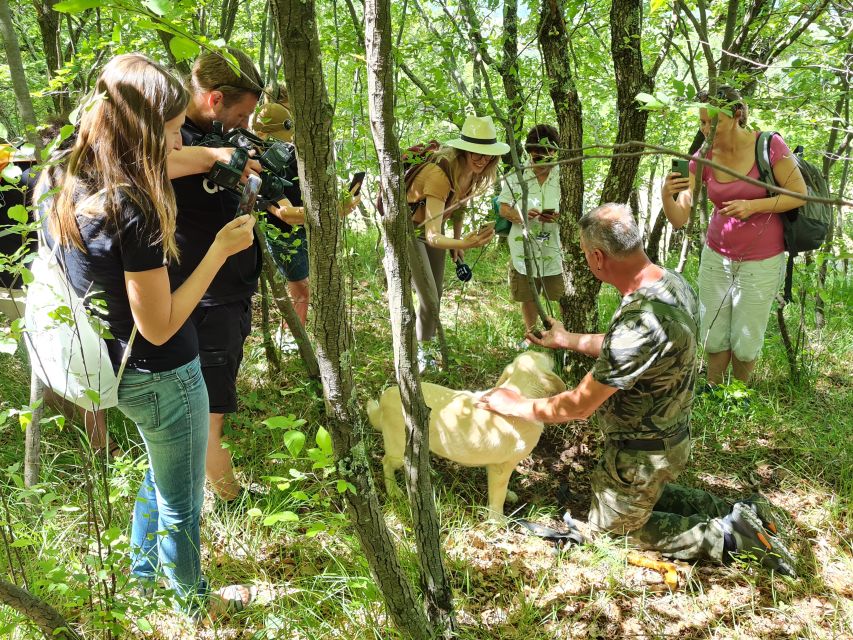
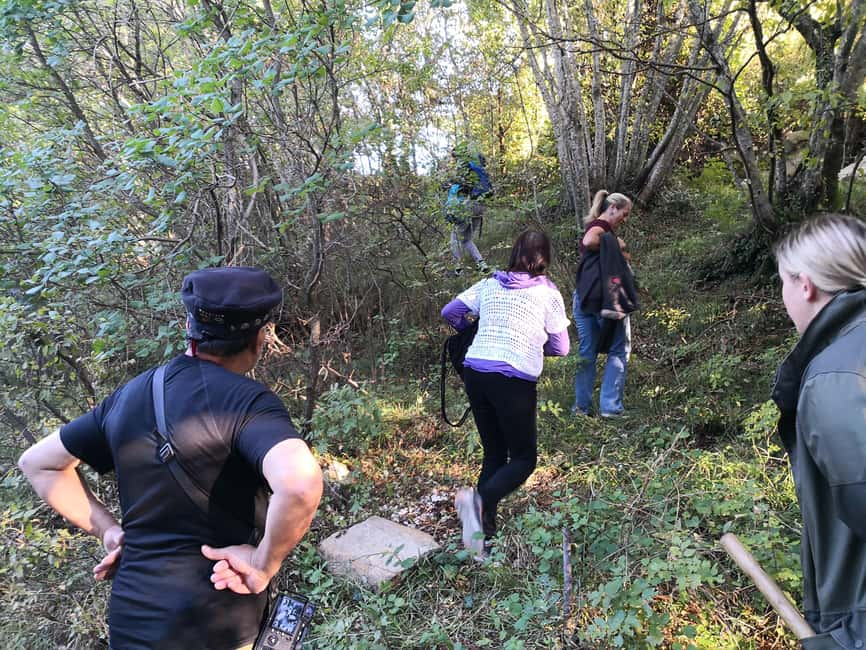
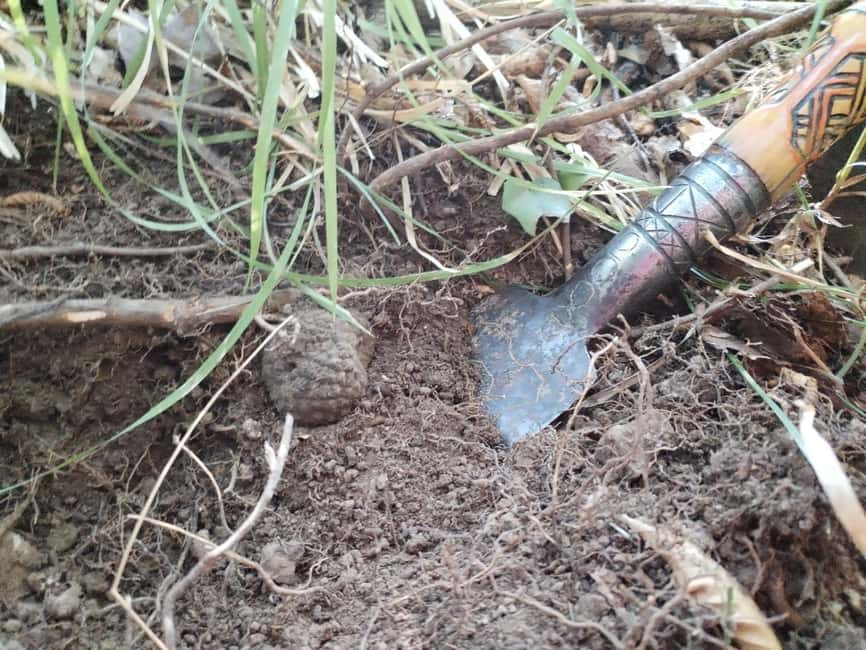
The truffle hunt is a demonstration led by a professional hunter and a dog. This is not simply a walk through the woods with a few truffle facts added afterward. You learn why dogs are preferred for this work, how they are trained, and what makes a truffle difficult to find.
The guide also explains the main varieties, how truffles are used in cooking, and why their price can be so high. The history of truffle hunting in Istria is part of the talk too, including the period when hunting was forbidden. That background helps explain why truffles carry such a strong local identity and why the work has long required patience and skill.
The hunting portion lasts about 45 minutes. The exact result depends on the season and on nature, so you should not book this expecting a guaranteed haul. The host makes that clear through the format: you are learning the method and the culture around truffles, not buying a promise of a certain number of finds.
That uncertainty is part of the honest appeal. The dog may lead the search in a way you did not expect, and the host may need to adjust the plan. The activity runs all year and in all weather, so rain, cold, or heat can change the feel of the outing. Dress for the forecast, and do not arrive in delicate shoes.
You can bring your own dog, but it must not distract the working truffle dog. That is an important rule, not a small courtesy. A dog that is excited, barking, or trying to join the hunt could interfere with the demonstration.
The walk to the Istrian homestead
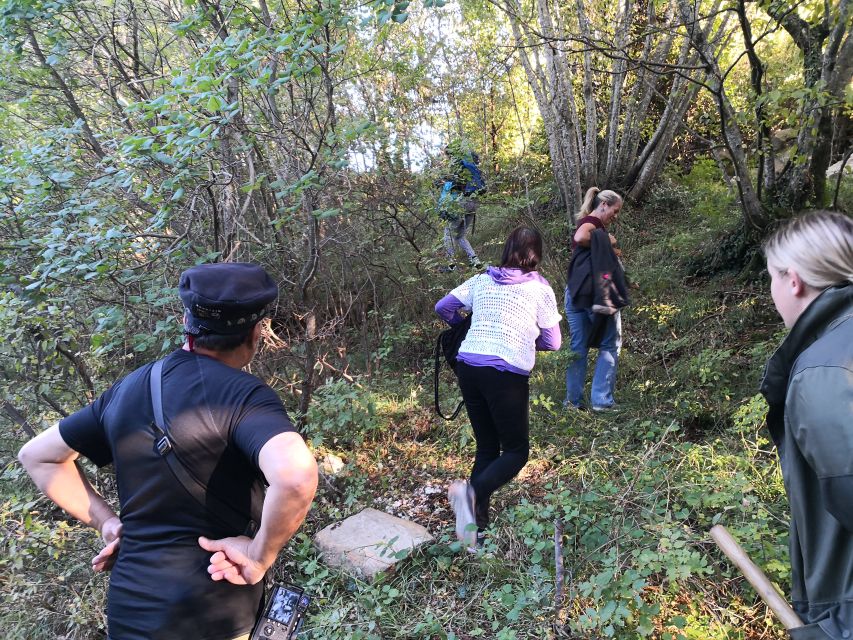
After the hunting demonstration, you walk back toward the homestead for the main food session. The second walk takes about 10 minutes, followed by a very short two-minute walk before you return to the starting point at Gažon.
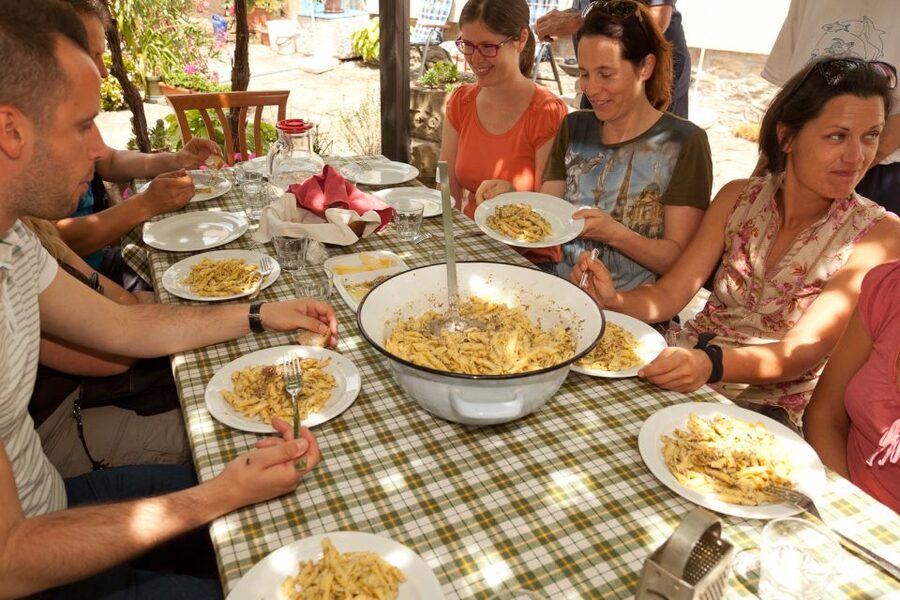
The homestead is where the experience becomes more personal. The cooking and tasting take place under a pergola, a setting that suits the unhurried pace of the afternoon. You are not rushed through a restaurant course or handed a small truffle sample and sent on your way. The goal is to spend time preparing food, talking, and eating it together.
A visit to a local home also gives you a better way to understand truffles. You see how the ingredient fits into everyday Istrian food, rather than treating it as a rare shaving added to an expensive dish. The setting is simple, social, and tied to the region.
Making fuži with fresh truffles
The cooking lesson focuses on Istrian fuži, a typical pasta shape from the region. You learn the recipe and take part in preparing the dish with fresh truffles. The host also explains the secret ingredient that makes the sauce work especially well.
This is the part I find most useful for anyone who enjoys cooking at home. You are not just told that truffles are valuable. You learn how they are handled in a real dish and how their flavor should come through. The session also covers the difference between authentic truffle flavor and food made with artificial aromas.
That distinction matters. Many truffle products rely heavily on added aroma, which can taste sharp and one-note. Here, you learn how to recognize the difference between a dish containing real truffles and one flavored mainly with artificial ingredients. It is a practical lesson you can use later when choosing truffle oil, spreads, pasta, or restaurant dishes.
The cooking class is not presented as a professional culinary course, so do not expect a formal kitchen school with a long technical syllabus. It is a compact regional cooking session tied directly to the hunt. You prepare one traditional dish, understand its ingredients, and eat it as part of the visit.
More cooking classes in Koper:
- Private Mediterranean Fish Cooking Workshop with Irena
★ 5.0 · 118 reviews - Ljubljana: Traditional Slovenian štrukelj Cooking Class
★ 4.9 · 58 reviews - sLOVEnian Strukelj Traditional Cooking Class
★ 4.0 · 10 reviews - Slovenia: Belokranjska Pogača Cooking Class
★ 5.0 · 4 reviews
What arrives on the table
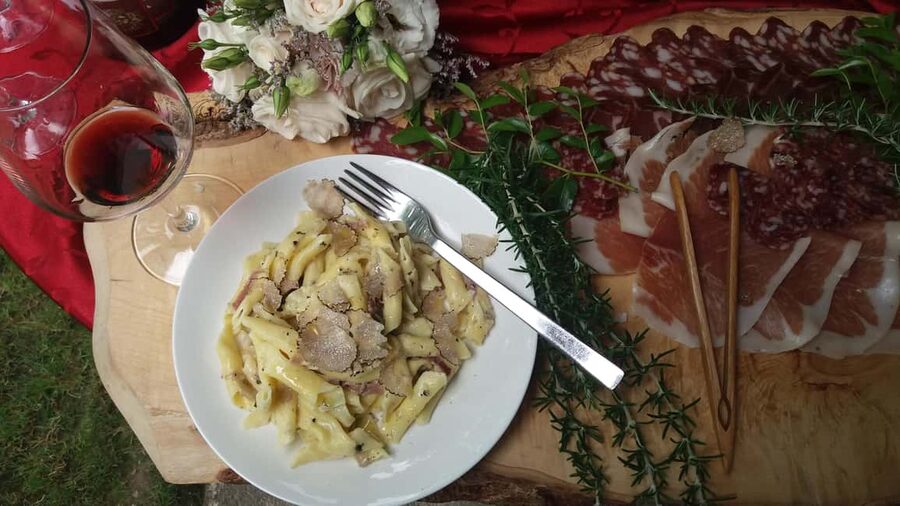
The included welcome tasting is more substantial than a token snack. You receive white and black truffle spreads, truffle cheese, truffle salami, and Malvasia wine. A seasonal refreshing drink is also included.
These tastings give you a chance to compare different ways truffles are used. A spread shows how the flavor works in a soft preparation. Cheese and salami give you a stronger sense of how truffle products are blended into familiar foods. The wine adds a local touch without turning the tasting into a formal wine course.
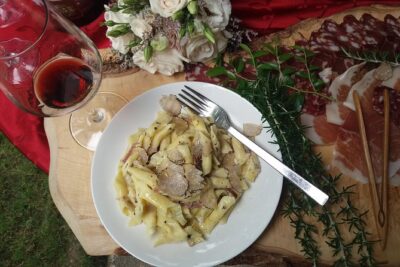
The main meal is the fuži with truffles that you help prepare. You eat the dish afterward, along with the local Malvasia. Additional food and drinks are not included, so keep that in mind if you want more than the supplied tasting and meal.
The food portion lasts about two hours. That timing is important when judging the value. Roughly half an hour is spent walking between stops and about 45 minutes on the hunt, while the longest stretch is devoted to cooking, tasting, and conversation. The experience is built around spending time at the homestead, not racing from one short activity to another.
The guide and the small-group format
Guide Jerneja brings more than the basic truffle explanation. She also discusses Gažon and Istrian history, which gives the outing a wider local frame. You are likely to get more from the visit if you ask questions, especially during the cooking and tasting portion.
With a maximum of eight participants, the group is small enough for the host to demonstrate the details without shouting across a crowd. You can watch the dog at work, ask about the hunt, and take part in the cooking without feeling like one person in a large tour line.
The English-language format is helpful for international visitors. Still, the experience depends on conversation, so it suits you best if you enjoy asking questions and listening to explanations. This is not a silent food tasting or a quick photo stop.
The tone is also more relaxed than polished. Nature can force changes, the dog is a working animal, and the hunt cannot be controlled like a stage performance. If you want a tightly scheduled attraction with guaranteed results, this may feel too loose. If you value local contact and are comfortable with a little uncertainty, that same quality works in its favor.
Is $146 a fair price?
At $146 per person, this is not a budget activity. The price makes more sense when you count the separate pieces: a professional truffle-hunting demonstration, a trained dog, an English-speaking guide, a cooking lesson, a full meal, several truffle products, Malvasia, a seasonal drink, and a small group.
You are also paying for access to a private-style setting and for the host’s time. The food alone does not explain the cost. The value comes from the combined experience, especially if you would otherwise pay separately for a food tour, a cooking class, and a truffle tasting.
I would consider it good value for a food-focused visitor who wants context and participation. It is less compelling if you only want to taste truffle pasta or see a dog search for a few minutes. In that case, the price may feel high because the experience asks you to spend three hours on the whole story.
The included welcome tasting helps. White and black truffle spreads, cheese, salami, wine, and the pasta meal give you several ways to try the ingredient. You also have the chance to buy truffle products at a reasonable price, which can make the experience more useful after you return home. Extra purchases are optional, and additional food or drinks are not part of the price.
Who should book this experience
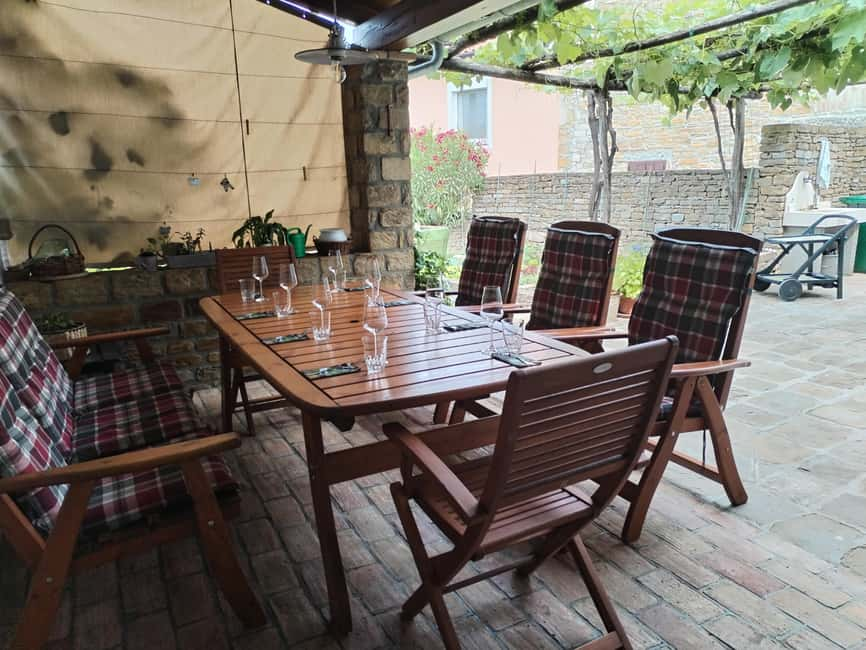
I would choose this for a couple, a small family group, or friends who plan their trips around food. It also suits you if you want an activity near Koper, Izola, Piran, Portorož, or Ankaran that feels connected to local life rather than built for mass tourism.
Children under seven can attend free, but they do not receive food or drink under that arrangement. Families should also consider the walking and the need to stay attentive around a working dog. The activity is not suitable for wheelchair users or people with mobility impairments.
You should also book it if you are curious about how luxury ingredients reach the plate. The talk covers the price of truffles, the varieties, the search, the dog training, and the history of hunting. That makes the experience useful even if you are not an experienced cook.
I would think twice if your schedule is very tight, if you dislike outdoor activities in uncertain weather, or if you need guaranteed menu choices. Tell the host about specific food requirements when booking. The supplied information does not promise that every dietary need can be handled, so you should ask before paying.
Timing, meeting point, and practical details
The full activity lasts three hours, with starting times available according to the date you choose. It begins at the bus station in Gažon and ends at the same place. The host waits there, so arrive at the correct village meeting point rather than expecting hotel pickup.
Hotel pickup and drop-off are not included. Driving is straightforward in principle because parking is available, but allow a little flexibility in case the main lot is occupied. The host can show you another option.
Wear clothing suitable for the weather and shoes that can handle a short outdoor walk. The activity runs throughout the year and in all weather. You should also be prepared for possible changes caused by nature. The host will do their best to explain any adjustment.
Cancellation is flexible up to 24 hours before the start for a full refund, and you can reserve now and pay later. Those terms help if your Istrian plans are still shifting, but they do not change the need to check the exact starting time and meeting instructions before the day.
Should you book Gažon truffle hunting?
Book it if you want more than a truffle-flavored lunch. The strongest reasons are the working dog, the clear explanation of truffle culture, the small group, and the chance to make fresh-truffle fuži before eating it under an Istrian pergola.
Skip it if you need a fully accessible outing, dislike walking, or want a guaranteed truffle find in carefully controlled conditions. For everyone else, the $146 price is easiest to justify when you treat it as a three-hour food, culture, and countryside experience rather than a single meal.
The best fit is a curious eater who enjoys local stories, simple cooking, and a little unpredictability. You leave with a better sense of what makes Istrian truffles costly, how to spot artificial flavoring, and why this ingredient matters far beyond its price tag.
FAQ
Where does the truffle experience begin?
It begins at the bus station in the village of Gažon. The host waits there, and the activity ends back at the same meeting point.
How long does the activity last?
The experience lasts three hours. Starting times depend on availability for the date you choose.
How much walking is involved?
The activity includes about one kilometer of walking in total. The itinerary includes a 10-minute walk to the hunting area, a 10-minute walk to the homestead, and a short two-minute walk before returning to Gažon.
Is hotel pickup included?
No. Hotel pickup and drop-off are not included. You must reach the Gažon meeting point yourself.
Can I come by bus?
Yes. You can come by bus from Koper. Check the current timetable before traveling.
What language is the tour conducted in?
The live tour guide speaks English.
What food and drinks are included?
You receive white and black truffle spreads, truffle cheese, truffle salami, Malvasia wine, a seasonal refreshing drink, and a meal of Istrian fuži with truffles.
Can I buy truffle products afterward?
Yes. There is an opportunity to buy truffle products at a reasonable price.
Can children join the activity?
Children under seven are free, but they receive no food or drink under that arrangement. The walking and outdoor setting should also be considered when deciding if the activity suits your child.
Can I bring my dog?
Yes, but your dog must not disturb the truffle-hunting dog while it is working.
Just added around Koper
- TRUFFLES: Hunting & Tasting in Istria, Slovenia★ 4.0 · 3 reviews
- Postojna Cave & Predjama Castle – Small Group Tour from Koper★ 4.5 · 5 reviews
- Wine Degustation in the Heart of Slovenian Istria★ 5.0 · 3 reviews
- Piran and Scenic Slovenian Coast-Private Experience from Koper★ 5.0 · 11 reviews
- Postojna Cave & Photostop Predjama castle – Group Tour from Koper★ 5.0 · 35 reviews
- Piran & Panoramic Slovenian Coast – Small Group Tour from Koper★ 5.0 · 12 reviews
- Small Group Tour to Lake Bled & Ljubljana from Koper★ 4.5 · 31 reviews
- Group tour to Postojna Cave from Koper – with unique cave train★ 4.5 · 20 reviews
Cooking Classes, compared.
Private Mediterranean Fish Cooking Workshop with Irena
Read our review →
Istria – Truffles: Hunting & Cooking & Tasting, Slovenia
Read our review →
Browse the lists this tour appears in